Agentic Ambitions and the Bill for Compute: Today in AI
Today’s artificial intelligence headlines trace a distinct shift in the industry: software is evolving from passive chatbots into autonomous, proactive agents, while tech giants are officially beginning to pass the staggering bill for that compute onto consumers. Between philosophical debates over digital agency, creative pushback from gaming giants, and the quiet arrival of subscription tiers, the honeymoon period of free, ambient AI is visibly drawing to a close.
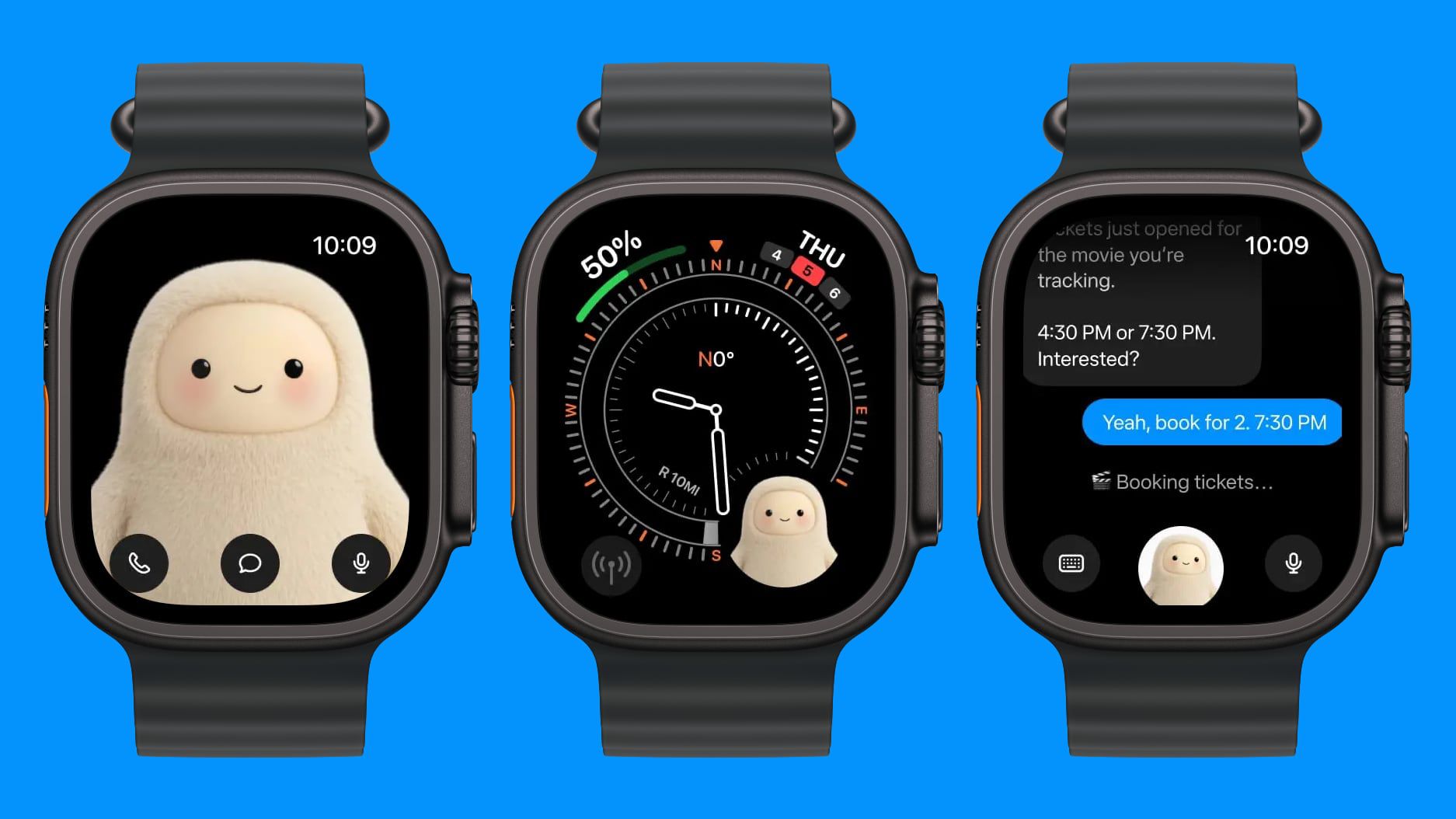
The battle for persistent personal assistance moved directly onto our wrists today. As reported by MacRumors, Meta released an update bringing its proactive AI agent, Muse, onto the Apple Watch. Rather than waiting for a prompt, proactive agents like Muse aim to anticipate user context throughout the day. It turns out Apple is feeling the heat on this front as well. According to PCMag, reports indicate that Cupertino is aggressively reworking Siri to become significantly more agentic by next year, aiming to counter the rise of ambient systems like Dots and Meta’s Muse.
As these systems become more autonomous and weave themselves into our daily decisions, the inevitable question of machine intent has bubbled back to the surface. Addressing the growing capabilities of autonomous software, philosopher Tom Cochrane published an essay in The Conversation examining whether agentic tools possess anything resembling a mind. While acknowledging the jaw-dropping technical leaps these agents have made—from independent coding to complex problem solving—Cochrane reminds us that capability should never be confused with consciousness. These agents remain sophisticated feedback loops rather than sentient entities, no matter how conversational they seem on our smartwatches.
That tension between algorithmic capability and genuine human ingenuity reached a fever pitch in the entertainment sector today. Facing questions from Wall Street analysts curious about automating game production, Take-Two Interactive CEO Strauss Zelnick insisted that creating blockbuster hits remains the purview of human beings. Despite relentless hype around automated pipelines, Zelnick made it clear that algorithms cannot manufacture cultural resonance on demand. His perspective aligns closely with an in-depth analysis from IGN, which explored how new “vibe-coding” and agentic porting tools are sweeping development circles. While these tools can rapidly clone mechanics or assemble rough prototypes, industry experts emphasize that raw generative power lacks the nuance and deliberate craft needed to create a cohesive, polished masterpiece.
At the same time, the economics of running these intensive systems are finally catching up with everyday users. For the past few years, big tech treated generative computing as a loss leader to capture market share, but monetization is now firmly taking root. The Verge reported that Apple has begun rolling out $50 “Intelligence Usage Packs” to lift usage caps on advanced creative features in professional apps like Logic Pro. Not to be outdone, details leaked via SamMobile detailing Samsung’s upcoming Galaxy AI Premium plan, which will soon divide the company’s mobile features into baseline free utilities and paywalled, cloud-heavy tiers.
Looking at today’s developments as a whole, artificial intelligence appears to be entering its pragmatic era. The novelty of conversational text prompts has faded, replaced by autonomous agents jockeying for position on our hardware, artists and executives drawing clear lines around the value of human labor, and companies asking us to open our wallets if we want the smartest models to keep running. The future of AI is no longer an abstract theoretical exercise; it is an active economic and philosophical negotiation over how much autonomy we are willing to hand over, and exactly how much we are willing to pay for it.